
Bogsend
The Last Haven of the Lost
The world out there is dying, but not here. Not in Bogsend.“We are not thelost—welost. We are the ones whoendure,endure.”
the ones who build while others crumble. Let the Blight take its cities, let the lords war over their ruins. We have carved a life from this land, and when the rest of the world falls, we will remain. Strong, free, and unbroken.— Captain Dain
Harthollow, Veteran of FaulmoorHarthollow
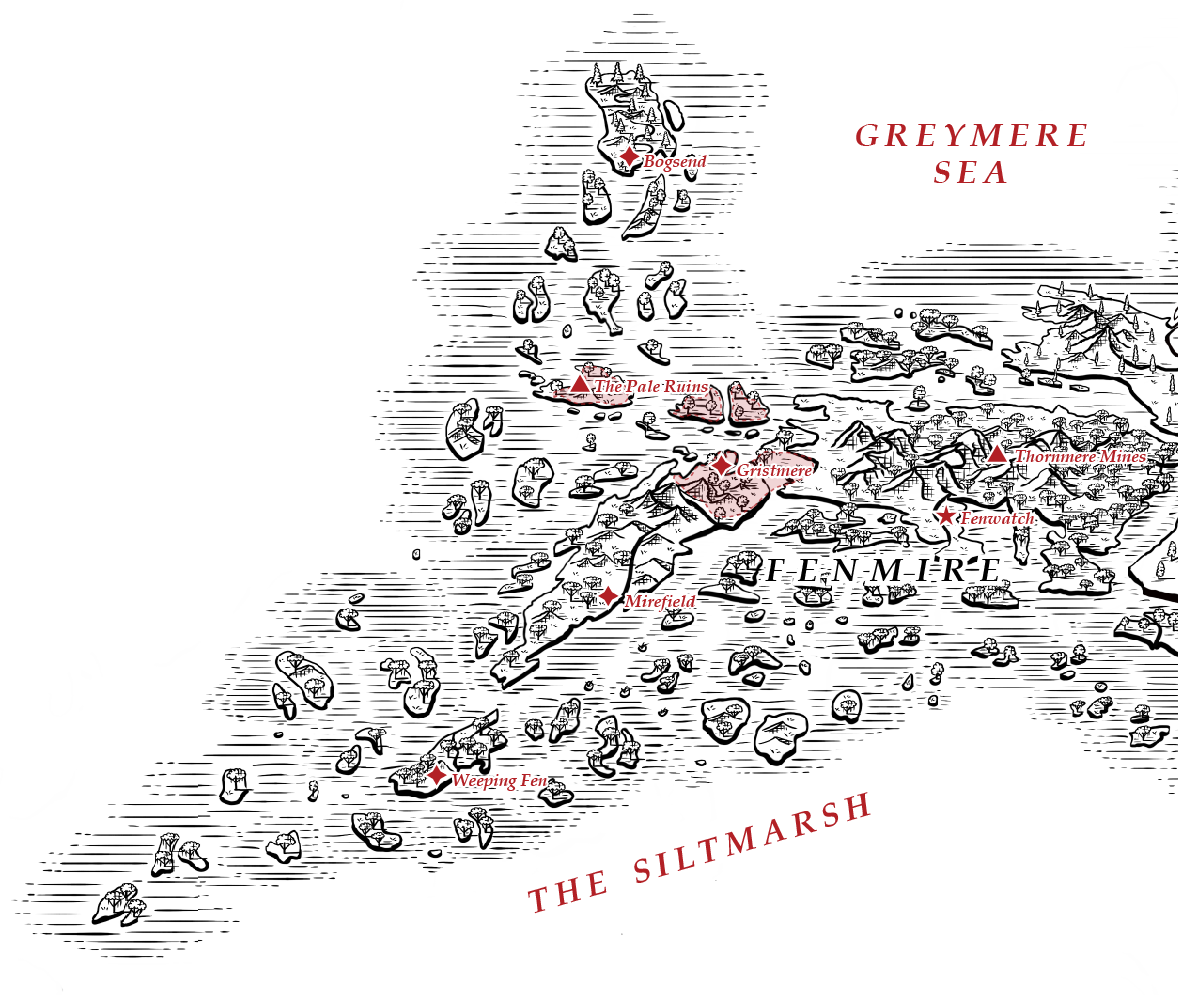
Bogsend,Bogsend despiteis itsa name,remote standssettlement asin Fenmire that has developed into an unlikelyeffectively independent refuge frombeyond the horrorsordinary reach of House Harrowden. Difficult approaches, dependable local resources, and an influx of deserters and refugees have allowed it to survive with unusual autonomy during the Rotmire Blight. Tucked away in a remote expanse of fertile marshland, the settlement thrives where others have withered. Though difficult to reach, with only treacherous footpaths and winding waterways leading to it, Bogsend enjoys an unexpected bounty—rich soil, ample fresh water, and a landscape that, while inhospitable to invaders, provides everything its people need to sustain themselves.
Unlike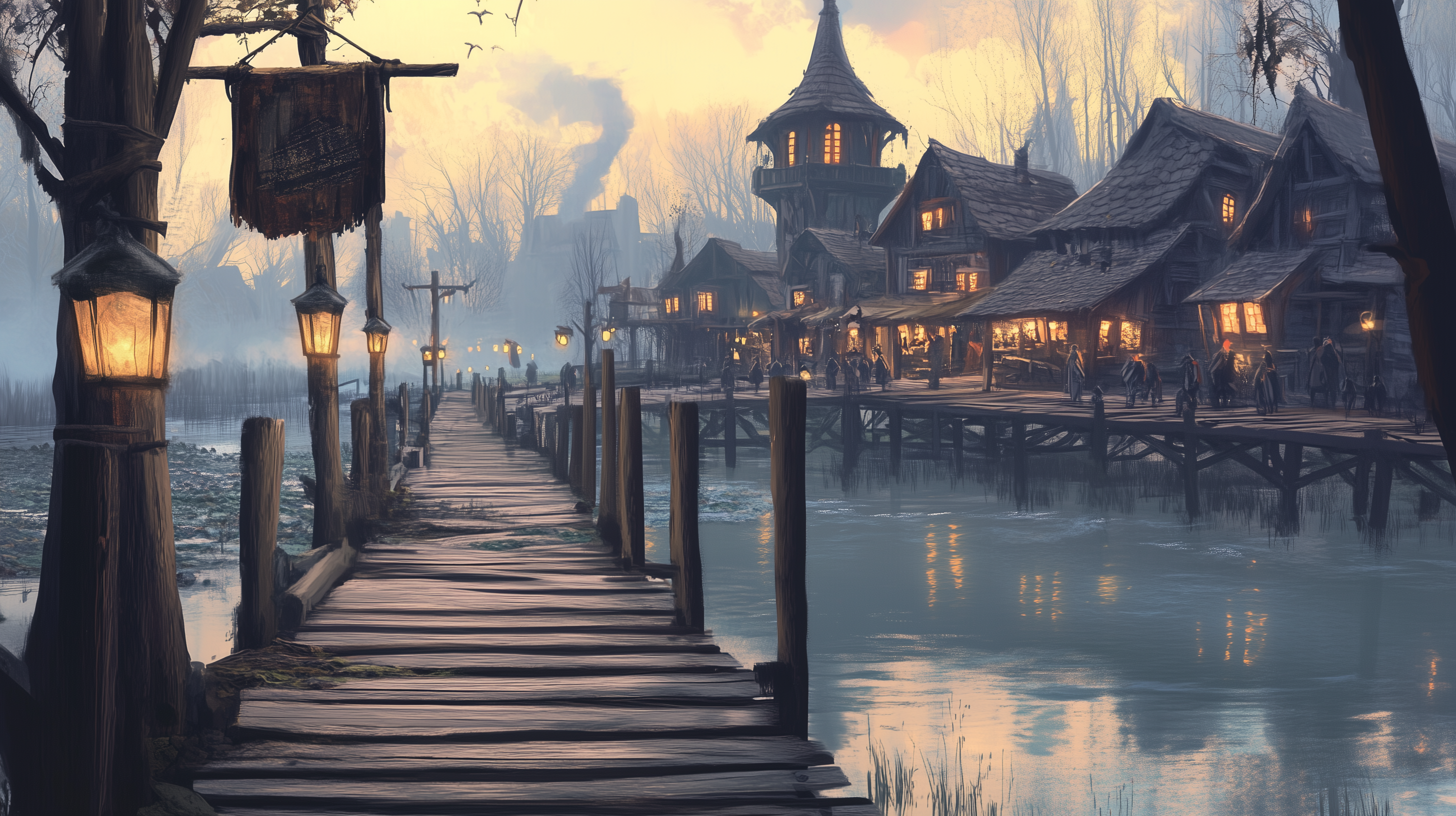
Overview
Bogsend tightlyoccupies boundunusually useful ground within the marsh, with access to thefresh rulewater, offish, Housegame, Harrowden, Bogsend has become an independent enclave, free from the demands of the nobilityforage, and thesmall shadowareas ofsuitable the mines. With no proper roads leading in or out, trade is limited, but the settlement has adapted, relying on a combination of farming, foraging, and careful hunting to maintain a self-sufficient way of life. Small rice paddies andfor marsh-grown cropscrops.
There whereare no reliable roads into the landsettlement. allows, while fishingFootpaths and trappingwinding inwaterways serve as the endlessprincipal wetlandsapproaches, provide a steady food supply. The people ofmaking Bogsend havedifficult littleto usereach forwithout coin,local operatingknowledge.
The community relies heavily on barter and mutuallocal survivalproduction. ratherFarming, thanfishing, outsidetrapping, wealth.hunting, and foraging provide much of what residents need.
History
Bogsend was once a small and isolated agricultural settlement.
During the first year of the Blight, Bogsend saw an unexpected surge in population as deserting soldiers fromand Faulmoordisplaced fledsurvivors tobegan itsarriving isolatedin safety.greater Thesenumbers. trainedTheir warriors,experience unwilling to die for doomed causes or ruthless lords, instead turned their skills to fortifyingchanged the settlement. Crude palisades were raised, watchtowers were constructed from scavenged wood, and defensive positions were established to ensure that Bogsend remained secure from both the horrorscharacter of the Blightsettlement.
Palisades, watchtowers, patrols, stockpiles, and theregular reachdrills oftransformed Fenwatch.Bogsend What was oncefrom a hidden village becameinto a moreguarded structuredsurvivalist enclave.
Present Day
Bogsend recognizes no formal noble ruler. Authority is informal and well-defendedclosely haven,tied itsto populationveteran growingsoldiers notand justother inresidents numberstrusted butwith indefense capability.and supplies.
TheSmuggling soldiersprovides whoaccess settledto insilver, medicine, and other goods that local production cannot replace. Stories also accuse some Bogsend consider themselves free men, unbound by the commandsgroups of lords or generals. However, they share a grim conviction—when the world succumbs to the Blight, they will be the last ones left standing. Living like doomsday sentinels, they have drilled discipline into the settlement’s people, ensuring that every able-bodied resident can fight if the need arises. They stockpile weapons, rationtaking supplies with calculated precision, and maintain strict patrols, treating every outsider as a potential threat. While the people of Bogsend are not warmongers, they are survivalists, hardened by the belief that only the prepared will endure the final collapse.
Though they take pride in their self-sufficiency, the people of Bogsend are not above illicit dealings. Smuggling routes snake through the marshes, allowing contraband—silver, weapons, and stolen supplies—to flow in and out of the settlement without interference. Some among them have even orchestrated larger thefts from other towns and cities, targeting supplyoutside caravans and outpostsoutposts, withwhile precisionresidents thatdescribe suggestssuch military training. While they justify these actionsacts as necessary for survival, others whisper that Bogsend is becoming less of a refuge and more of a hidden power in the underbelly of Fenmire.survival.
ThisOutsiders isolationare hastreated made Bogsend one of the few places untouched by the Blight. While other villages fell, their people cut down or turned to horrors, Bogsend remained unseen, overlooked by both plaguecautiously, and the rulesettlement of men. It is a quiet place, its people wary of outsiders, especially those who come from the sickness-ridden lands beyond. Though not openly hostile, they areremains fiercely protective of their home and refuse to let the troubles of Fenmire seep into their secluded world.
Still, rumors persist of those seeking refuge in Bogsend, hoping to escape the Blight and the chaos of the outside world. Some arrive wounded, starved, or desperate—few are turned away outright, but those who bring trouble are swiftly dealt with. No ruler claims dominion over Bogsend, no noble decrees reach its people, and for now, at least, it remains an anomaly—an island of life in a world rotting from within.independence.
Detailed Overview
Notable FeaturesLocations
The Freehold
The Freehold (centeris ofthe governanceprincipal gathering place for communal decisions and militarydefensive planning),planning.
The Stockade
The Stockade (hiddenserves supplyas cachea andprotected armory),reserve for important supplies.
The Sunken Crossroads
The Sunken Crossroads (smugglingis hubassociated andwith meetingthe ground)