
Fetterbrook
The
Fetterbrook Forgottenis Retreatan
old
Fetterbrook?forestYes, dreadful business, truly. Cut off, you say? Starving? A real tragedy, of course... but tell me, do you know what this means forme? I used to summer there, you know. My estate overlooked the finest hunting groundssettlement inEbonmoor! The stag weremagnificent, the airunspoiled—and now? Now I’mtrapped in this miserable city, forced to endure this... thissqualorwhile that wretched place rots away!Iam the real victim in all of this! A man of my standing should not bedenied his comfortssimply because some peasants have misplaced their survival instincts!
—Lord Alrin Vaunhast, displaced noble
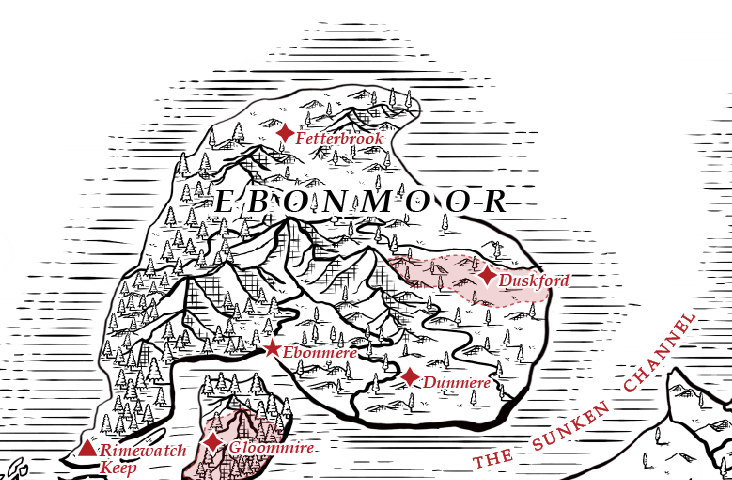
Nestled within the heart ofnorthern Ebonmoor’s, densebuilt forestsamong streams, hunting grounds, and windingformer waterways,noble Fetterbrookestates. wasFor oncegenerations ait peacefulfunctioned haven—a retreat for nobility seeking respite from the political scheming of Valkenheim and the harsh realities of Faulmoor’s marshes. The town’s many brooks and streams, which flow steadily south, once provided a gentle, idyllic setting for hunting, fishing, and leisure. Rich in wildlife and thick with towering oaks, the town flourished notmore as a centerretreat of trade but asthan a placeself-sufficient oftown, comfort and escape. It was never meant to sustain itself, instead relyingdepending on regular shipmentssupplies frommoving through Duskford and other northern settlements..
OneDuskford's offall the oldest settlements in Ebonmoor,left Fetterbrook grew from a collection of private estates into a small but wealthy town, catering to hunters, craftsmen, and those who provided luxury goods to visiting aristocrats. Falconry, archery, and lavish feasts beneath the forest canopy were common pastimes, and its people lived well, knowing that supply lines from the north would always keep their town thriving. For generations, this was true.isolated.
Then the Rotmire Blight came, and Duskford fell.
With Duskford’s fall, Fetterbrook was severed from the north, leaving its people stranded. The waters that once carried goods and wealth southward now work against them—the brooks flow only in one direction, meaning no supplies can be sent back upstream. In an instant, the town found itself trapped, with no way to receive food, medicine, or tools. The forests, once a playground of sport, became a last desperate resource for survival.
For the first few months, they relied on their reserves, believing that help would come. But as the Blight worsened and the roads became unsafe, it became clear that no aid was coming. The nobility fled, abandoning their grand estates, while the remaining servants, hunters, and tradespeople were left to fend for themselves.
Now, Fetterbrook is fading. The people hunt, forage, and salvage what they can, but the land was never meant to support them indefinitely. Many speak in whispers of leaving, drifting south in the hopes of finding help, but few dare attempt it. The world beyond their forested home has grown dark and uncertain.
Though the people of Fetterbrook are trapped, the outside world has not forgotten them entirely—even if not in the way they had hoped.
South of Fetterbrook, where the brooks converge into larger rivers, bodies have begun washing ashore. At first, there were only a few—perhaps the unfortunate victims of a river accident, or wanderers who had succumbed to hunger. But now, more appear each week, found by travelers and villages downstream.

Overview
SomeThe ofsettlement grew from private estates used for hunting, fishing, falconry, and seasonal retreat. Craftspeople, gamekeepers, servants, traders, and hunters gradually formed a permanent community around them.
That comfortable arrangement depended on outside food, medicine, tools, and trade. The surrounding forests could supplement those supplies but were never expected to support the corpsesentire bearsettlement indefinitely.
When Duskford fell, the unmistakableroutes lesionsthat ofhad sustained Fetterbrook were severed. Many nobles departed, leaving estates, workers, and long-term residents behind.
History
Fetterbrook is among Ebonmoor's older settlements. Its forests and waterways made it attractive as a retreat for families seeking distance from larger political centers.
For generations, regular supply lines allowed the town to specialize in hunting, falconry, leatherwork, woodcraft, and leisure rather than agricultural self-sufficiency.
The Rotmire Blight, bloated and twisted beyond recognition. Others, however, show no sign of infection—their faces frozen in silent terror, their bodies unmarked. The people living further south whisperbroke that notsystem allwhen ofDuskford themwas drowned—some look as though they clawed their way out of the water, only to collapse on the banks.
No one knows where they come from, or how many more will follow. Some believe they are victims of a massacre upriver, while others fear something lurks within the waters, dragging the living beneath its surface. Those downstream now refuse to drink from the brooks, believing the waters carry something worse than sickness.
Yet, in Fetterbrook, no one speaks of the dead. They have their own troubles—and besides, the water only flows south.
The town that once housed nobility and wealth has become a place of ghosts and whispers. The grand estates stand empty, their fine wooden halls now homes to squatterslost and the desperate.approaches The forests that once rang with laughter and hunting horns are now quiet, save forthrough the occasionalagricultural crackdistrict ofbecame aunsafe.
Present the distant howl of wolves.Day
Those who remain dohunt, notforage, knowration how much longer they can last. Some hold out hope that the north will recover, that Duskford will rise againsupplies, and reconnectreuse themabandoned toestates theas world.shelter. Others believe that Fetterbrook has already been forgotten, left to wither and die in its own isolation. And somewhere beyond their town, the rivers still run south, carrying secrets and the dead to those who will find them.
Detailed Overview
Another
The gamekeepersreports andhave huntersmade actcommunities asfarther makeshiftsouth guards
Notable Features
Locations
The Falcon’Falcon's Rest
The Falcon's Rest was a training ground for hunting birds,birds. Most of its aviaries are now nearly abandoned), The Old Manors (former noble estates, now crumbling or used as communal shelters), Hunter’s Hall (meeting place for the remaining residents, now serving as a rationing station), The River Brood (main dock used for transport, now eerily quiet), The Winding Paths (a network of game trails, now more dangerous as hunters push deeper for food)
Notable Establishments
The Falcon’s Rest
Once a renowned training ground for hunting birds, the Falcon’s Rest was where nobles bred and trained falcons for sport and prestige. The high stone perches and wooden aviaries still stand,empty, though mostparts of the birdsfacility haveremain eitherin starved or flown away. Only a handful remain, kept by a few dedicated falconers who refuse to abandon them. Some believe that if they can keep the falcons alive, they may yet find a way to trade them for supplies—if anyone is left to buy.use.
The Old Manors
Scattered across the forest, theFormer noble estates ofstand Fetterbrookthroughout werethe oncesurrounding grandforest. homes of leisure, filled with roaring hearths, fine tapestries, and well-stocked cellars. Now, many of themSome are abandoned,abandoned, theirwhile windows dark and their gardens overgrown. Someothers have been repurposedconverted into makeshift communal shelters, where those left behind try to survive. Others remain locked and sealed, their former owners having fled in haste, leaving behind only empty halls and forgotten luxuries that no one can afford to care for anymore.shelters.
Hunter’Hunter's Hall
This wooden longhouse was once the center of Fetterbrook’Hunter's hunting community, where skilled bowyers and trackers shared their kills and traded furs. Now, itHall serves as a rationingmeeting stationplace and gatheringrationing placecenter for themany survivors. Every day, hunters return here with whatever they can find—deer, rabbits, even squirrels—and the meat is divided amongof those who remain.remain Disputesin over food are becoming more common, and there are whispers that some hunters are keeping more for themselves than they admit.Fetterbrook.
The
River
See Brood
Also
The