
Dunmere
The
Dunmere Dyingis Heart of Ebonmoor
We’ve tilled this land since our fathers' fathers walked it. We’ve raised cattle so strong they could weather the worst winters. But now? Now they rot on their feet, their eyes black as the Blight itself. The rivers still flow, the fields still stand, but I swear by the Old Ways—something in Dunmere has turned against us."
—Jorwel Kaelssen, cattleman
Dunmere was once the Breadbasketone of Ebonmoor,'s amost townimportant builtsurviving onagricultural the lifeblood of its fertile fields and strong rivers flowing from the Grimholt Peaks. It was a place of stability, prosperity, and abundance, where the cycles of planting, harvesting, and butchering dictated the rhythm of life rather than war or famine.settlements. Its goldengrain wheat fields stretched as far as the eye could see, and its rolling pastures were thick with fattened cattle and sturdy hogs, raised for generations by families who took pride in their craft. The Kaelssen, Bronstad, and Hegerholm clans were among the most respected, known for breeding the healthiestfields, livestock, their herds famous across Norvostra for the quality of their meat and resilience to harsh winters.
At the heart of Dunmere stood the Stonehall Market, a vast, open-air trading hub where farmers, butchers, and merchantsfood barteredstores andbecame soldcritical their goods. The scent of freshly baked bread, roasted meats, and earthen spices filledafter the streets, and traders from as far as Mistvale and Blackvale made the journey just to secure the finest cutsfall of beef and pork. The town’s butchers were renowned, not just for their skill in carving meat but for their deep understanding of preservation, seasoning, and smoking techniques, ensuring that Dunmere’s meats were coveted even in lands beyond Faulmoor. During the autumn harvest festivals, the town would transform into a place of joyous revelry, with great feasts, music, and competitions where young ranchers showcased their prize-winning cattle and bakers competed for the title of the finest loaf.
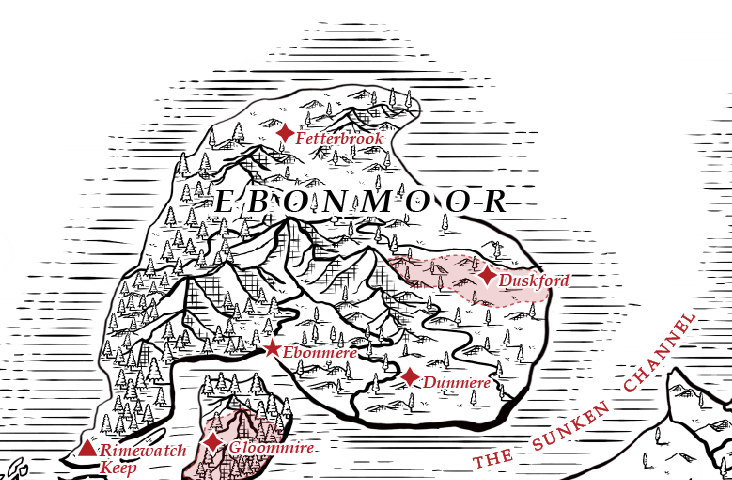
Dunmere’s people were proud but welcoming, a mix of hardworking farmers, seasoned herders, and skilled tradesmen who valued tradition and community. Unlike the tense nobility of Valkenheim or the shadowed dealings of Greymire, Dunmere had no taste for intrigue or politics. It was a town of honest work and simple joys, where families passed down the knowledge of the land from one generation to the next. It was said that a man in Dunmere could be judged by the quality of his fields, the strength of his livestock, and the generosity of his table, and guests were always greeted with a hearty meal and a tankard of thick, honeyed ale.
Duskford, Dunmere’s sister town, served as its gateway to the wider world, with its bustling river docks sending barrels of salted pork, dried beef, and fresh grains to Blackvale and beyond. The two settlements thrived together, one feeding the region, the other ensuring its bounty reached those in need. Their connection was more than economic—it was personal. Many families had kin in both towns, and marriages between Dunmere’s herders and Duskford’s traders were common, strengthening the bond between them.
But when the Rotmire Blight took Duskford, thatwhen bond was severed in an instant.
Those who escaped fled to Dunmere, carrying nothing but desperationrefugees and grimfarm determination.workers Yet,expanded unlikelocal the aimless refugees wandering other parts of Faulmoor, these people knew what was at stake. Many had once worked the fields or tended livestock, and instead of waiting for aid, they threw themselves into rebuilding Dunmere. Fields were expanded, irrigation systems improved, and new livestock enclosures erected in a desperate effort to secure food for Ebonmoor. They saw Dunmere as the last true stronghold of agriculture, the only hope for their people. But time was against them—while the crops flourished, the demand for food had tripled, stretching their resources to the limit.

Then came the sickness. It did not strike the people, but the livestock. At first, it was subtle—cattle grew restless, refusing to eat or sleep, their eyes wild with fever. Then the signs became clearer: veins blackened beneath their skin, their bodies bloated overnight, and some rotted from within, dissolving into a foul-smelling sludge that even carrion birds refused to touch. Dunmere’s butchers slaughtered thousandsproduction in an attempt to stopreplace what the spread,island had lost.
That effort is now threatened by a severe sickness among Dunmere's livestock.
Overview
Dunmere was built around fertile fields, pastures, river water, cattle, hogs, grain, and the trades needed to preserve and distribute food. Agriculture shaped ordinary life more strongly than noble politics, and local families developed long traditions of farming, herding, butchery, smoking, and preservation.
After Duskford fell, displaced people arrived in Dunmere and helped expand fields, irrigation, storage, and livestock enclosures. The town became even more important to Ebonmoor's food supply.
Crops still grow, but the sicknesslivestock persisted,are creepingfailing. throughCattle become restless, refuse food, develop darkened veins and swelling, and may deteriorate rapidly. The symptoms resemble the herdsRotmire likeBlight anclosely unseenenough shadow.to Nocause livingfear, personthough inno cause has been publicly established and Dunmere's people have not shown the same pattern.
History
Dunmere and Duskford once formed the agricultural backbone of Ebonmoor. Dunmere showedproduced signsmuch of the Blight,food yetwhile Duskford helped move surplus into wider trade.
Duskford's fall severed that relationship and placed enormous pressure on Dunmere. Production was expanded, refugees were absorbed into the symptomsagricultural mirroredworkforce, itand tooHouse closelyWilthorne toincreased ignore.defenses Fear grippedalong the town,routes forleading iftoward the ruined district.
The livestock sickness couldemerged takeafter Dunmere had already become the livestock,island's itmost wasimportant onlyremaining afood mattersource.
Present beforeDay
Food foundproduction itscontinues wayunder intostrain. humanGrain flesh.and vegetables remain available, while meat and livestock reserves decline.
Rumors spreadblame likeriver wildfire.water, Somecorrupted claimedsoil, the rivers from the Grimholt Peaks carried a hidden corruption, poisoning the land with every flood. Others believed the soil itself had turned, thatair, the Blight haditself, seepedor intodivine thepunishment. earth and taken root. There were those who blamed the air, saying the Rotmire’s breath had begun to spread even where no undead walked. And then there were the voicesNone of superstitionthese andexplanations dread,is whisperingpublicly that this was punishment—that something older than the gods had cursed them for failing to save Duskford. No one knew the truth, but everyone understood one thing: if Dunmere’s livestock failed completely, there would be no saving Ebonmoor.proven.
RecognizingLocal Dunmere’s absolute importance, House Wilthorne and its vassals fortified the roads between Dunmere and Duskford, constructing multiple small forts and heavily guarded checkpoints along the key routes. Soldiers patrol the perimeter, searching for any sign of Blight encroachment or potential threats. These defensive measures have slowed travel, but theydecisions are necessary—if Dunmere falls, there is nowhere left to retreat. The fall of Dunmere would not only doom Ebonmoor but likely Faulmoor itself. Without its food supply, the region would collapse into chaos, leaving Ebonmoor defenseless and the survivors of Faulmoor with no means of sustaining themselves.
With its famed meat industry on the verge of collapse, Dunmere’s once-thriving butcheries now stand half-empty, their salted reserves dwindling dangerously fast. The town still produces grains and vegetables, but without livestock, they cannot sustain Ebonmoor’s needs. Food shortages have led to rising tensions—some have turned to smuggling, hoarding food for personal profit, while others grow increasingly hostilemade toward outsiders and traders seeking to take what little remains. Though Dunmere is still governed under Eadric Wilthorne, control has largely fallen to a council of farmers and butchers, led by Jorwel Kaelssen, an aging but respected rancher. He fights to keep Dunmere stable, but the cracks are showing.
Dunmere is not lost—not yet—but time is running out. If the sickness cannot be stopped, if the food supply continues to dwindle, Ebonmoor will not survive another year. The people of Dunmere work with desperate urgency, but beneath their resolve lies a growing fear. They know the truth that no one dares speak aloud: it is only a matter of time.
Detailed Overview
Notable Establishments
Locations
Stonehall Market
AtStonehall Market was once the heartcenter of Dunmereregional liesagricultural Stonehalltrade. Market,It oncenow serves as a bustlingmajor hubpoint wherefor farmers,rationing, ranchers,controlled and butchers gathered to sell their goods. The scent of fresh bread and smoked meats once filled the air, and traders from all across Faulmoor came to buy Dunmere’s famous beef and pork. Now, the market has become a place of rationing and conflict. With food supplies dwindling, every transaction is filled with tension and suspicion,sales, and disputes over portionsdwindling are common. Smugglers move through the crowd in the shadows, and some claim that corrupt traders are skimming off supplies for their own profit.supplies.
Kaelssen Ranch
OnceKaelssen Ranch is one of Dunmere's largest livestock operations and has been heavily affected by the pridecurrent ofanimal Dunmere, Kaelssen Ranch was the largest and most respected livestock farm in the region, owned by Jorik Kaelssen. Generations of ranchers raised strong cattle and hogs, their herds famous for their quality and resilience. Now, it is the epicenter of the livestock sickness. The enclosures reek of death as cattle collapse overnight, their veins blackened with disease. Workers burn entire herds to prevent further contamination, but the sickness persists. Whispers spread among the ranch hands—this is not a natural plague. Some believe the land itself has turned against them, while others blame the waters of the Grimholt Peaks for poisoning their herds.sickness.
The Salted Hoof Butchery
Once the finest butcher shop in Dunmere, The Salted Hoof was known for its masterful cuts, smoked meats, and salted provisions. It supplied merchants as far as Blackvale, and its owner, Erik Lothsen, was considered one of the most skilled butchers in Faulmoor. Now, the shop barely operates—livestock is scarce, and what little remains is diseased. Lothsen struggles to keep his doors open, but behind the counter, he is quietly supplying smugglers, selling what he can to those willing to pay in silver. Though many suspect his dealings, no one has the proof to accuse him outright.
The Farmer’Farmer's Keep
The Farmer’Farmer's Keep wasis oncethe aprincipal communalmeeting hall where Dunmere’s ranchers and farmers made decisionsplace for the town’slocal prosperity.agricultural It was a place of unity, where disputes were settled fairlycouncil and thefor futuredecisions ofconcerning thefood settlement was planned with care. Now, it is a site of argumentsdistribution and desperation,livestock as the Farmers’ Council, led by Jorwel Kaelssen, struggles to keep order. Every day, tough decisions must be made—which herds to cull, how much grain to ration, and who should be prioritized for food. Some farmers argue for greater military protection, fearing an attack from raiders or starving refugees, while others insist that the true enemy is within—those hoarding supplies for personal gain.culling.
The River Gate
The River Gate is thea mainprincipal access point to Dunmere’the waterways that feed Dunmere's waterfields supply,and fedherds. byBecause the great riverscause of the Grimholtlivestock Peaks.sickness Foris centuries,unknown, thisthe water nourished the fields and sustained the livestock, but now, ititself has become a source of fearsuspicion.
Campaign Developments
Livestock Contamination Traced.
Recent believeinvestigation thatidentified two concrete contamination routes affecting livestock around Dunmere without establishing a single cause for every sick animal in the sicknessregion.
Near throughDunmere, Dunmere’srunoff animalsfrom originatesan animal burial trench was found feeding a constructed drain connected to affected water. Farmers began keeping livestock away from the water,suspect thoughsupply, nowarning downstream farms, isolating the contaminated drain, and organizing excavation and cleanup.
A separate investigation in ruined Duskford recovered records and physical evidence linking one cansouthbound provelivestock it.transfer Someto farmerscontaminated havestock begunwater sealingat offthe partsold quarantine exchange. A failed drainage path had backflowed into the trough system before the animals were sent toward Dunmere. Those findings were later reported to Dunmere's relief workers.
The evidence establishes specific exposure routes and explains at least part of the river,livestock refusingcrisis. It does not establish that every later case in Dunmere had the same source, and it does not amount to usea itscure waters, while others continue out of necessity, hopingfor the sicknessRotmire is nothing more than rumor.Blight.
The
Last
See HarvestAlso
A